Table of Contents
What is Live Mode?
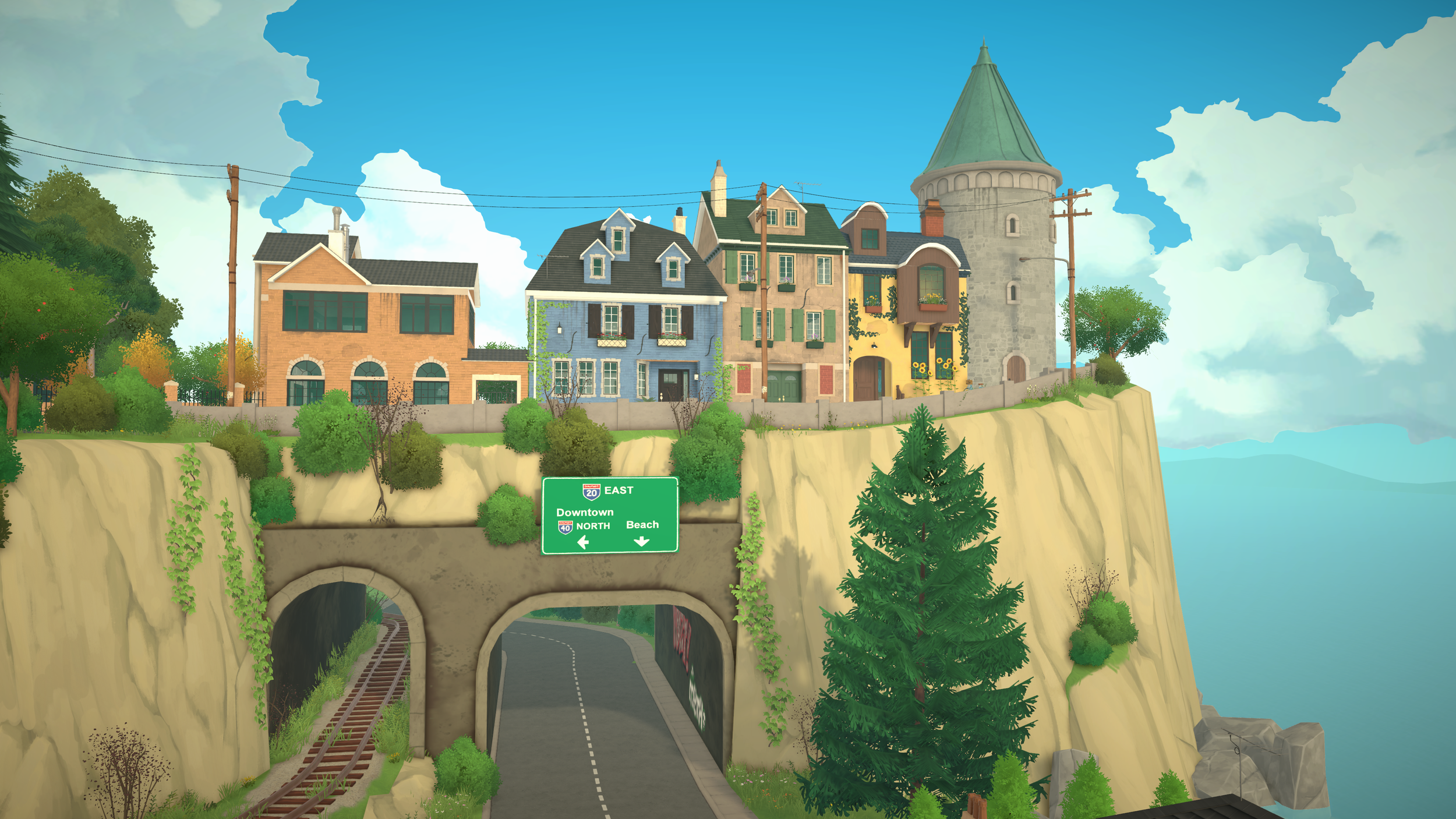
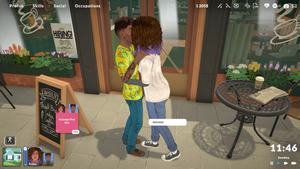
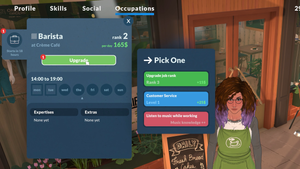
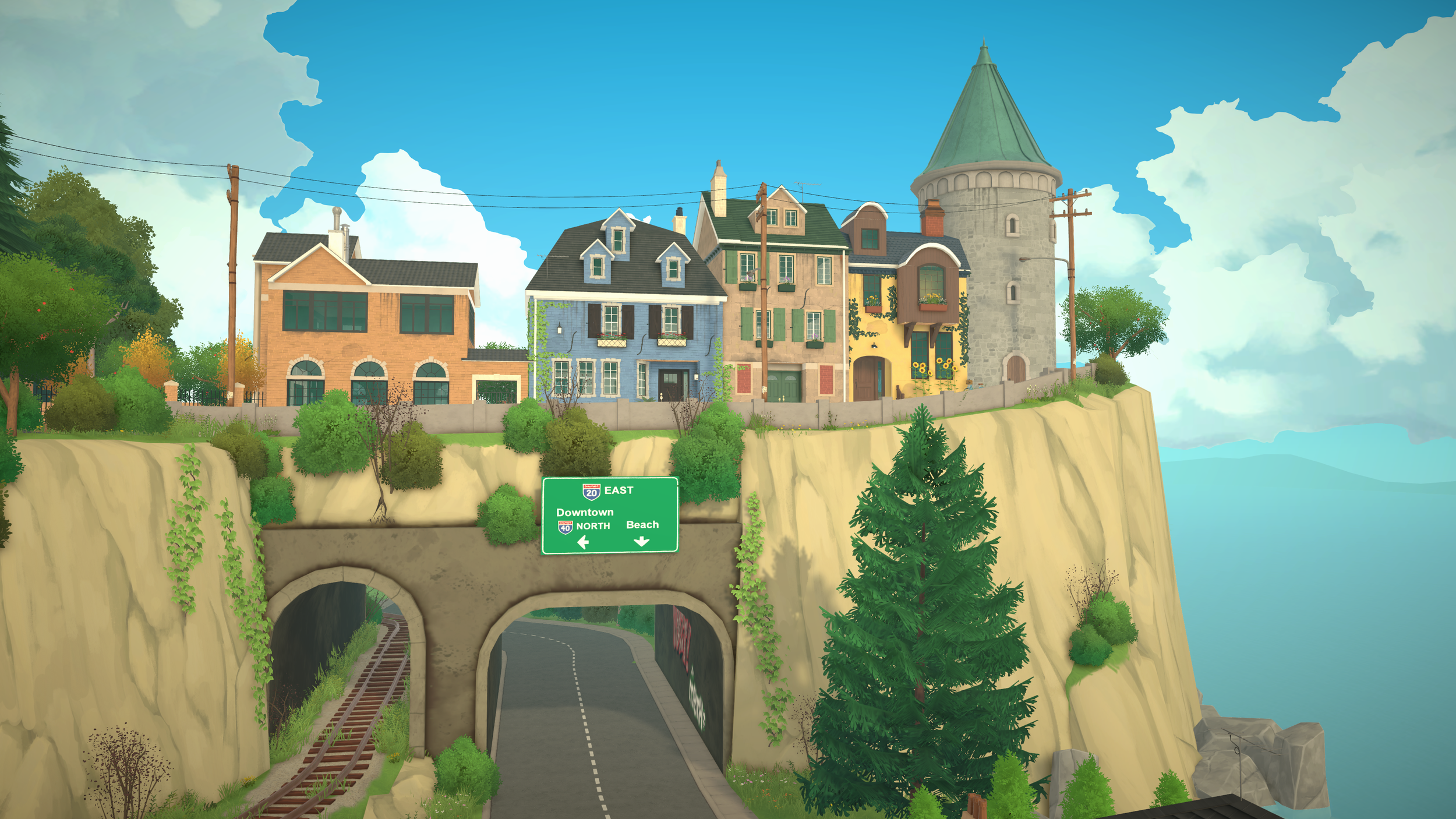
Live Mode Gameplay Video
Watch Live Mode in Action
See Parafolks living their daily lives in the official gameplay trailers on the homepage. It's way easier to understand the systems once you've seen them in motion.
Live Mode is where Paralives actually happens. This is where your Paras live, work, eat, sleep, make friends, have meltdowns, and occasionally set things on fire.
You can control one Para at a time, direct your whole household, or just let them run on autopilot while you watch the chaos unfold. Some players micromanage every bathroom break (guilty). Others set long-term goals and let the simulation cook. Both playstyles are totally valid — the game adapts to how much you want to be involved.
What Happens in Live Mode
Needs go up and down · Emotions shift constantly · Wants pop up · Skills level up · Relationships evolve (or crumble) · Careers progress · Everyone ages · Bills arrive (ugh) · Town Events happen · Story Cards appear every night · Your Para can literally burn down the kitchen
Managing Needs (AKA: Why Is My Para Crying?)
Every Para has core needs, and when those needs aren't met... things get ugly. The specific needs vary by life stage (babies don't need to worry about careers, thankfully), but here's what you're generally dealing with:
- Hunger — Keep your Para fed. Cook meals at home or buy food from shops around Melino. Starving Paras are sad, unproductive, and will absolutely make poor life decisions.
- Energy — Sleep, rest, relax. Push them too hard and they'll crash mid-activity. I've had a Para pass out while painting. Not proud of it.
- Hygiene — Shower, bathe, wash up. Stinky Paras get negative social reactions. Nobody wants to flirt with someone who hasn't showered in 3 days.
- Social — Your Para NEEDS interaction. Isolation leads to serious mood crashes. Even introverts need some human contact eventually.
- Fun — Entertainment and leisure. Bored Paras get restless, then sad, then destructive. Give 'em something to do.
- Comfort — Nice furniture, pleasant surroundings, good temperature. An uncomfortable environment makes everything worse.
When needs drop into the danger zone, your Para's dominant emotion goes negative, their work performance tanks, and relationships start suffering. Keep those need bars above 50% before you try anything ambitious. That's my golden rule after way too many failed skill attempts.
Pro tip: Design your house layout around needs management. Kitchen next to dining area with comfy seating = less walking between rooms = more time for actually fun stuff. A well-designed home basically plays the game for you.
Understanding Emotions
Emotions are honestly one of the coolest systems in Paralives. Your Para can feel multiple emotions at once — some stronger than others — and the combination determines their overall mood. It's not just a single "happy/sad" bar.
Emotions affect basically everything:
- Skill progression speed — Negative emotions (especially from unmet needs) slow down learning significantly. A hungry, exhausted Para learns at like half speed. Feed them first!
- Work performance — Stressed or sad Paras underperform at their job. Bad day at work = smaller paycheck = can't afford bills = more stress. Vicious cycle.
- Relationship success — Your emotional state changes how interactions go. Flirting while angry? Probably not gonna land well.
- Idle animations — Paras display unique idle animations based on current emotions. A sad Para slumps around dejectedly. An inspired one hums to themselves. It's adorable.
- Story Cards — The Storyteller considers your Para's emotions when generating nightly Story Cards. Emotional state = different card options.
How to Check Emotions
Click on your Para's thought bubble in the UI panel to see all active emotions. Each one shows up as a card with an intensity number (how strong it is) and what caused it. Hover over any emotion card to see exactly what triggered it. Super useful for debugging why your Para is suddenly miserable.
All Emotions in Paralives
| Emotion | Type | Description |
|---|---|---|
| Happy | Positive | The baseline good feeling. Needs met, life going well. |
| Amused | Positive | From entertainment, jokes, funny social interactions |
| Inspired | Positive | Creative activities, art, music. Also gives a skill XP bonus across ALL skills — super valuable! |
| Flirty | Positive/Social | Romantic attraction vibes. Opens up romance interaction options. |
| Sleep | Physical | Your Para needs rest. NOW. They're about to pass out. |
| Sad | Negative | Loss, rejection, unmet emotional needs. Makes everything harder. |
| Angry | Negative | Frustration, conflict, bad events. Can lead to destructive behavior. |
| Anxiety | Negative | Stress, pressure, uncertain situations. Common before big career moments. |
| Bored | Negative | Lack of stimulation, doing nothing too long. Fix this fast before it spirals. |
| Stressed | Negative | Work pressure, bills due, time crunch. The adulting emotion. |
| Fear | Negative | Dangerous situations, threats. Rare but intense when it hits. |
| Sick | Physical | Eating bad food, health issues. Yes, your Para CAN get food poisoning from that expired fridge meal. |
| Disgust | Negative | Bad smells, dirty environments, gross things. Keep your house clean, folks. |
| Embarrassed | Social | Social fails, rejection, awkward moments. We've all been there. |
| Fire | Hazard | YES YOUR PARA CAN BE ON FIRE. This is not a drill. Handle immediately. |
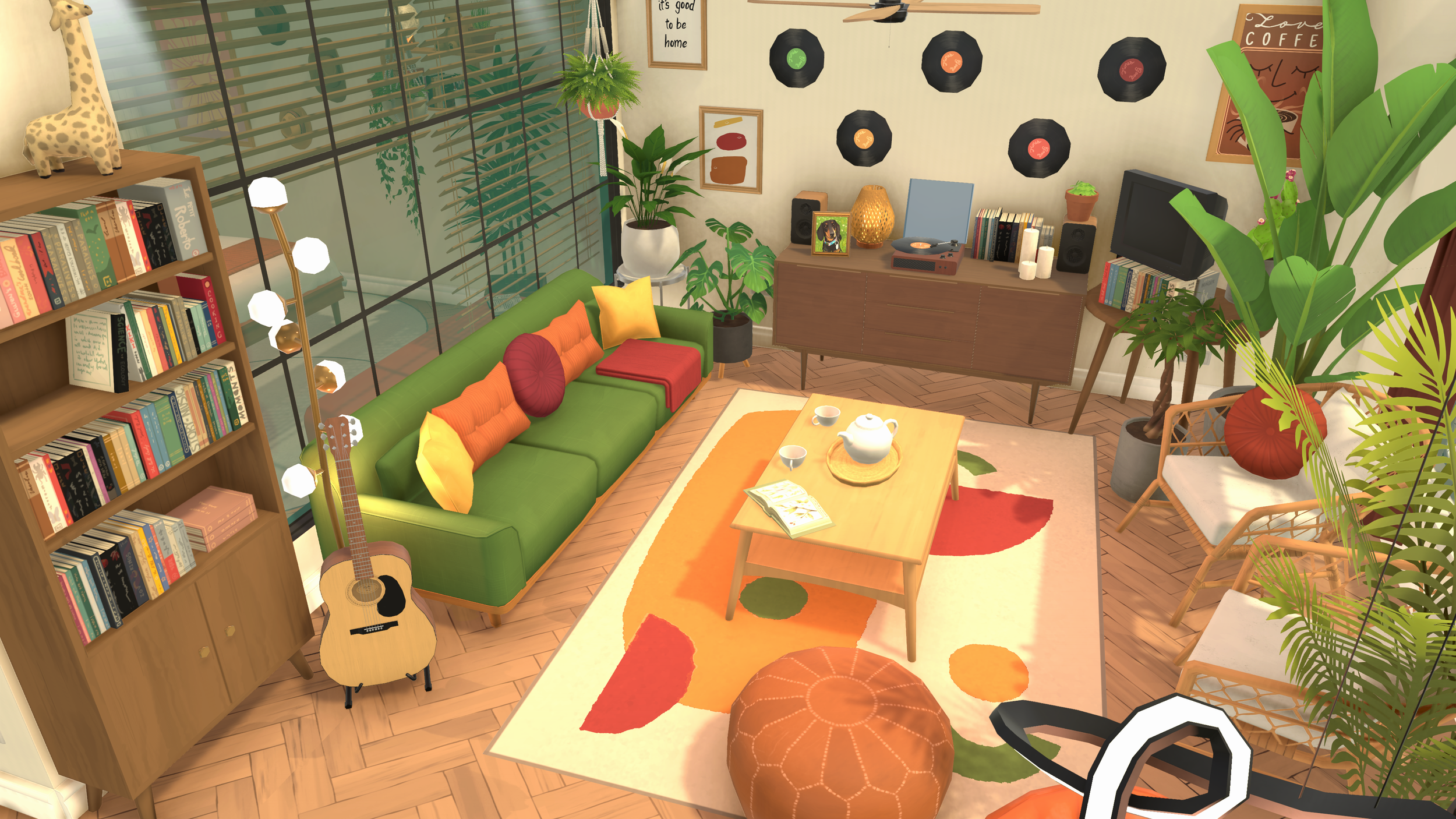
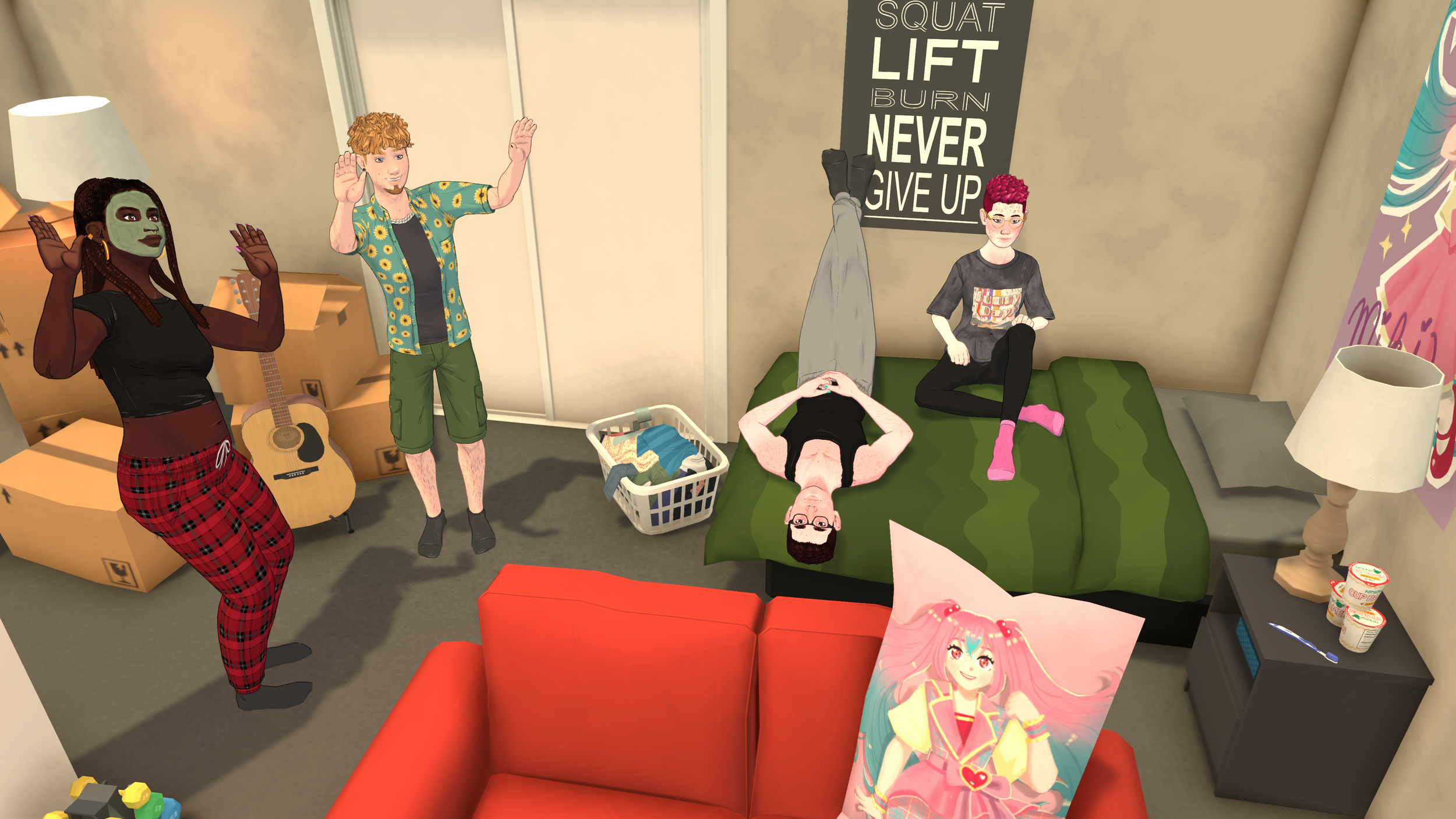
Wants & Goals
When your Para feels a certain emotion strongly enough, a Want pops up. Think of Wants as actionable objectives — fulfill one and you get personality points plus usually a positive emotion boost.
The thought bubble panel shows you all available Wants for each emotion. Here's the catch: you've got until your Para goes to sleep that day to complete the selected Want. Choosing which Want to pursue — and which ones to ignore — is a genuine strategic choice every single day. Some Wants are easy wins; others require planning and time investment.
Life Goals are the bigger picture — long-term aspirations that drive your Para's overall direction. Story Cards can unlock new Life Goals, and completing them gives major personality point rewards. These are the "save up for 20 Sim-days to buy that dream house" type goals vs. the daily "go talk to your friend" Wants.
Story Cards System
Okay, Story Cards are genuinely my favorite mechanic in Live Mode. Every night after everyone in your household falls asleep, the Storyteller deals you up to 3 Story Cards. Each card represents a different path forward for the next day, with unique consequences attached.
Cards are context-aware — they look at your careers, relationships, personality, current situation, everything. Each card shows its full effect before you choose, so no nasty surprises. But here's the thing: once you open a pack, you MUST pick one card. No take-backs. Choose wisely (or recklessly, if that's more fun).
Story Card Packs
| Pack | Effect |
|---|---|
| Life Goals Pack | Unlocks new Life Goals for your Para to chase |
| Moon Pack | Miscellaneous bonuses — money, skill boosts, random events (can be good OR chaotic) |
| Social Pack | Relationship impacts, secret crushes, social perks, drama |
| Sun Pack | 24-hour temporary buffs — performance boosts, social advantages |
| Work Pack | Career stuff: promotions, perks, rank increases |
The game launches with at least 251 unique Story Cards. That means statistically, you could play for months without seeing the exact same combination twice. The replayability here is insane.
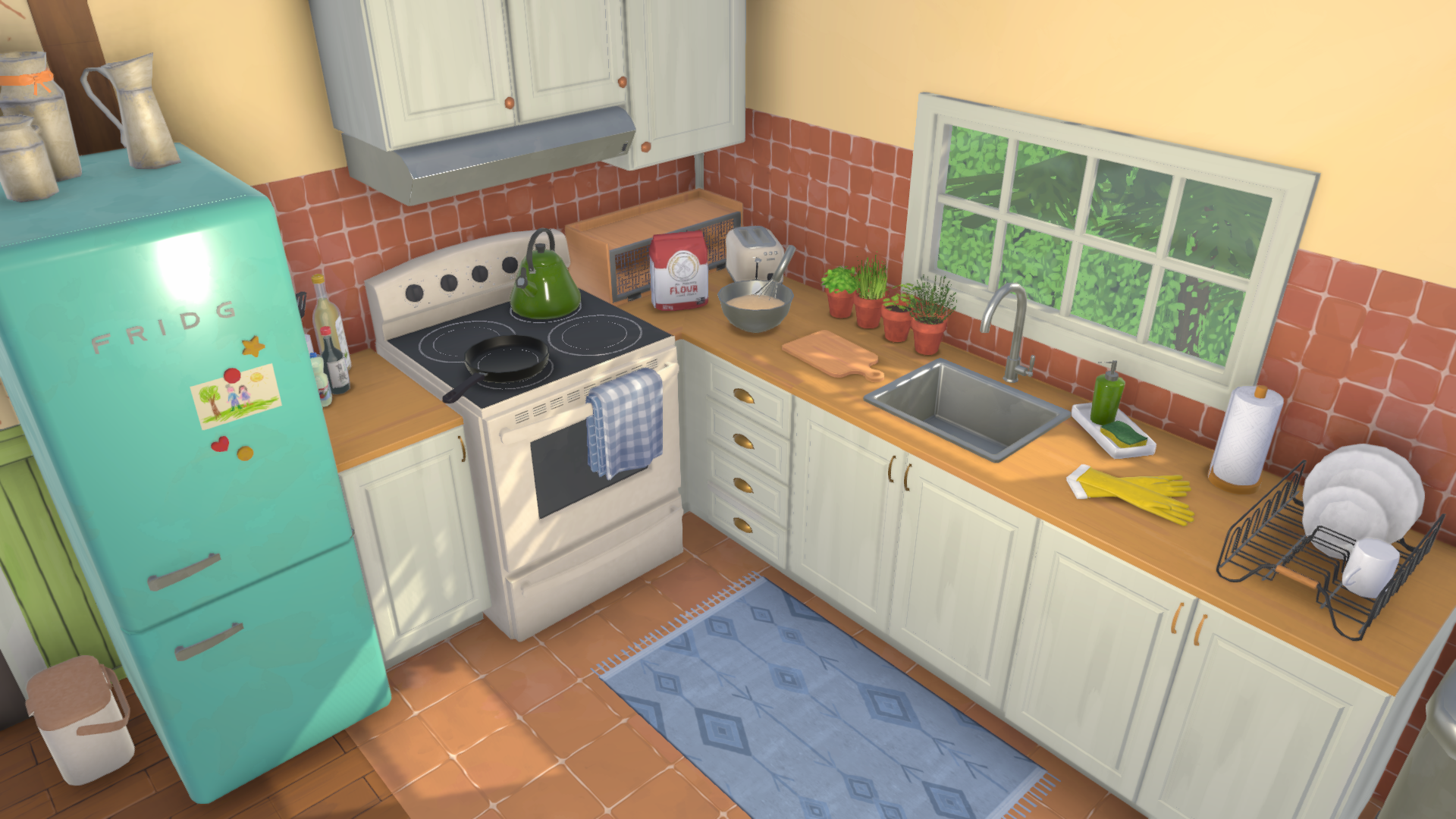
The Daily Loop
A typical Paralives day looks something like this:
- Morning: Paras wake up (or you wake them up by deleting their bed, I don't judge). Check those need bars immediately.
- Daytime grind: Work, school, hobbies, social stuff, skill practice. The meat of the gameplay.
- Midday check: Open the newspaper for Town Events. There might be something cool happening across town worth traveling to.
- Afternoon: Continue the grind. Manage needs as they start dropping again. Maybe squeeze in a quick skill session before...
- Evening: Social time! Hang out with friends, go on dates, visit cafes. This is when relationship building happens.
- Night: Everyone sleeps. Story Cards appear. You make choices that affect tomorrow. The cycle resets.
- Next day: New wants, new emotions, new opportunities. Repeat until rich and happy (or broke and stressed).
Time management hack: Town Events often require travel time across Melino. If there's an event you want, plan your day's activities so you end up near that location before it starts. Wasting 2 hours walking across town because you didn't plan ahead hurts my soul every time.
Money & Bills
Paradimes (P) make the world go round. You'll need them for basically everything:
- Building — Every wall, piece of furniture, floor tile, everything costs P
- Utilities — Electricity, water, internet... bills arrive periodically whether you're ready or not
- Taxes — Yes, even in Paralives you pay taxes. The government always finds you.
- Food & Shopping — Meals out, groceries, clothes, random purchases
- Services — Haircuts at Headlines, restaurant meals, that kinda stuff
- Transportation — Bus rides around Melino cost P3 flat rate regardless of distance. Not bad honestly.
Main income comes from careers and jobs, but you can also earn from Story Card windfalls, selling collectibles, museum donations, and various side hustles. My advice? Keep at least P500–P1000 as an emergency fund. You never know when a broken appliance or unexpected bill will clean you out.
Activities & Hobbies
There's actually a ton of stuff to do in Live Mode beyond just surviving:
- Cooking — Learn recipes, cook meals, burn things (it happens). Better food = better mood buffs.
- Gardening — Plant seeds, water plants. Full gardening system coming post-launch, but basics are already fun.
- Media consumption — TV, radio, browsing the web, video games on phone or computer. Your Para can be a gamer just like you.
- Music — Learn piano or guitar through actual practice sessions. Yes, there's a skill grind involved.
- Painting — Create art on canvas. Sell it for money or decorate your house with it.
- Astronomy — Use telescopes at Mountain Top park. For your science-loving Paras.
- Fitness — Gym workouts, jogging, yoga, dancing. Keep those Exercise levels up!
- Social hangouts — Cafes, restaurants, shops around Melino. The town has stuff to DO.
- Town Events — Scheduled community events that appear in the newspaper. Free loot and social opportunities.
Daily Management Tips That Actually Help
- Needs > Wants. Always. A hungry, exhausted Para fails at EVERYTHING. Keep needs above 50% before attempting optional activities. This is rule #1 for a reason.
- Integrate skills into daily life. Walking to work = Exercise XP. Cooking dinner = Cooking XP. Don't treat skills as separate grinding — fold them into normal routines.
- Time your Story Cards smartly. A 24-hour work performance buff is WAY more valuable on promotion day than on a rest day. Read the card effects and plan accordingly.
- Read the newspaper every morning. The New Paper reveals Town Events and opportunities. Missing a rare collectible event because you didn't check stings way more than it should.
- Rest days are real and necessary. Overworked Paras suffer negative emotions, health effects, and burnout. Schedule downtime. Even Sims need weekends.
- Budget for bills proactively. Keep P500–P1000 minimum as a buffer. Nothing worse than having your power cut off because you spent your last Paradimes on a fancy chair.
- Don't rush through life stages. Child, Preteen, and Teenager stages have growth spurts and personality point milestones. Starting as Adult means skipping ALL of that development. If you care about optimization, start young.