Table of Contents
- How Death Works in Paralives
- The Dark Lore of Melino
- Screenshots
- Life Expectancy & Elder Stage
- What Happens When a Para Dies
- Inheritance System
- Legacy Planning
- Ghost Mechanics
- Continuing Your Dynasty
- Emotional Impact on Remaining Parafolks
- Tips for Managing Multi-Generational Households
- Frequently Asked Questions
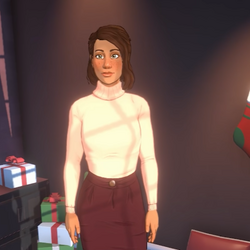
How Death Works in Paralives
Death is an inevitable part of life — even for Parafolks. In Paralives, the death system is designed to be respectful, emotional, and narratively meaningful rather than punitive or violent. The game carries a Teen rating, which means there is no murder, violence, or graphic content associated with death. Instead, Parafolks pass away through natural and accidental causes that fit the game's wholesome yet realistic tone.
Understanding how death works is essential for any player who wants to build a lasting family dynasty. A well-timed legacy plan can mean the difference between a thriving multi-generational household and a family that loses everything when the founding Parafolk passes on.
Causes of Death
Parafolks can die from several causes, all of which fall within the game's family-friendly design philosophy:
- Old Age (Natural Death) — The most common cause. When a Parafolk reaches the end of their Elder stage, they will eventually pass away peacefully. This is the expected, natural conclusion to a full life.
- Accidents — Unfortunate events can lead to an early death. These might include household accidents like fires from cooking, electrocution from repairing appliances, or drowning in a swimming pool. Accidents are rare but can happen if safety precautions are ignored.
- Emotional Extremes — In very rare cases, a Parafolk whose emotional state reaches extreme negative levels for a prolonged period may be at risk. This mechanic is subtle and designed to encourage players to care for their Parafolks' well-being rather than to punish them.
- Starvation — If a Parafolk is completely neglected and goes without food for an extended period, they can die of starvation. This is extremely unlikely in normal gameplay and serves more as a failsafe than a common occurrence.
What You Won't See in Paralives
Per the game's Teen rating, there is no murder, no violence, no suicide, and no graphic death animations. Death is handled with sensitivity — Parafolks simply fade away peacefully, and the focus shifts to how the surviving family members cope and carry on the legacy.
Can Death Be Prevented?
Yes, to an extent. While old age is inevitable, accidental deaths can be avoided with proper care:
- Install smoke detectors to prevent fire-related deaths
- Ensure Parafolks with low Handiness skill don't repair broken electronics
- Keep pools fenced or supervised when children or elders are nearby
- Maintain your Parafolks' emotional well-being to prevent extreme mood states
- Always have food available — even simple meals prevent starvation
Tip: If you want to keep a beloved Parafolk alive indefinitely, you can use the aging toggle in the game settings to pause aging for specific Parafolks or the entire household. This is especially useful for storytelling players who aren't ready to say goodbye.
`n`nThe Dark Lore of Melino: Skeletons, Cemeteries & Missing Persons
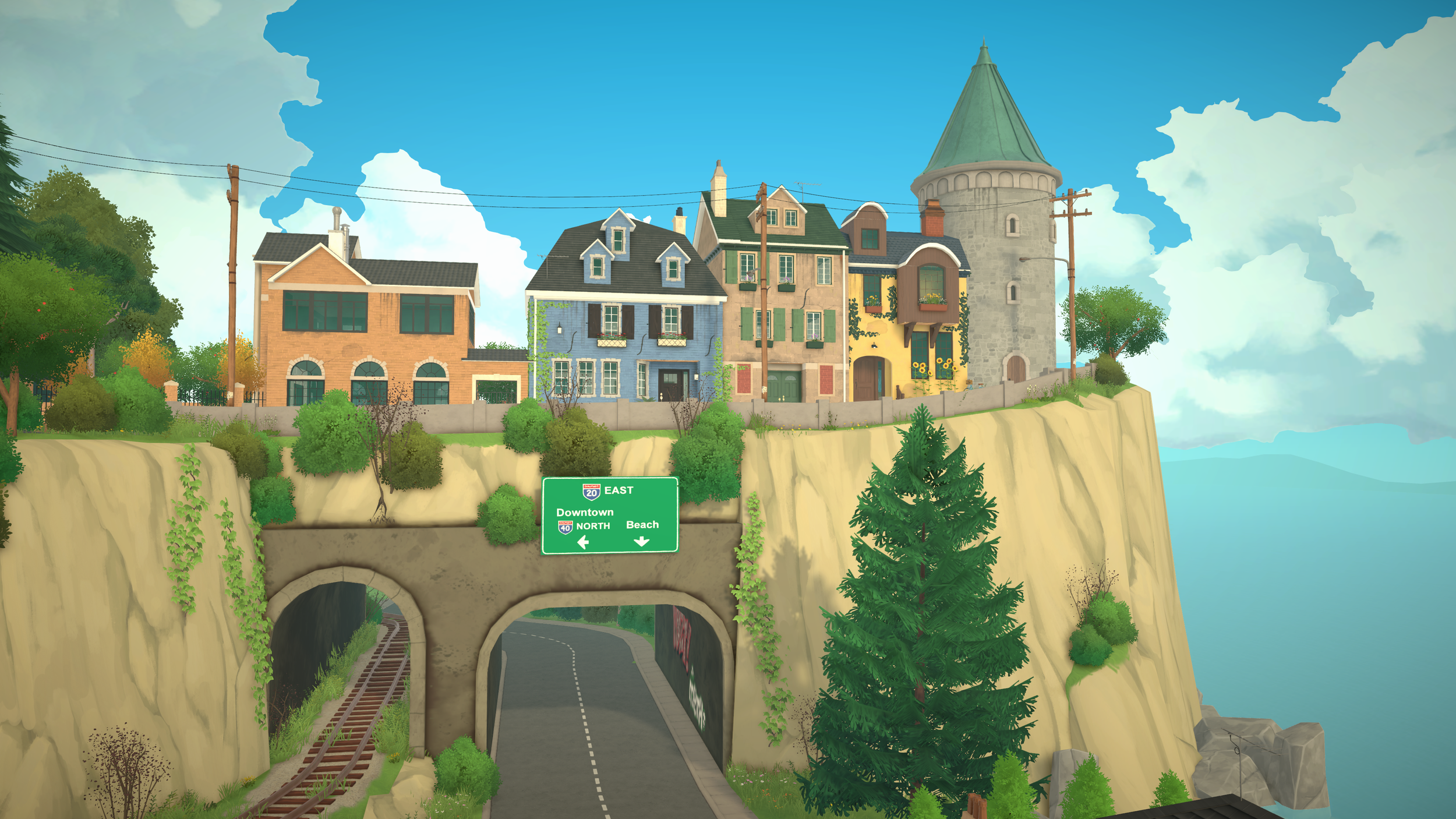
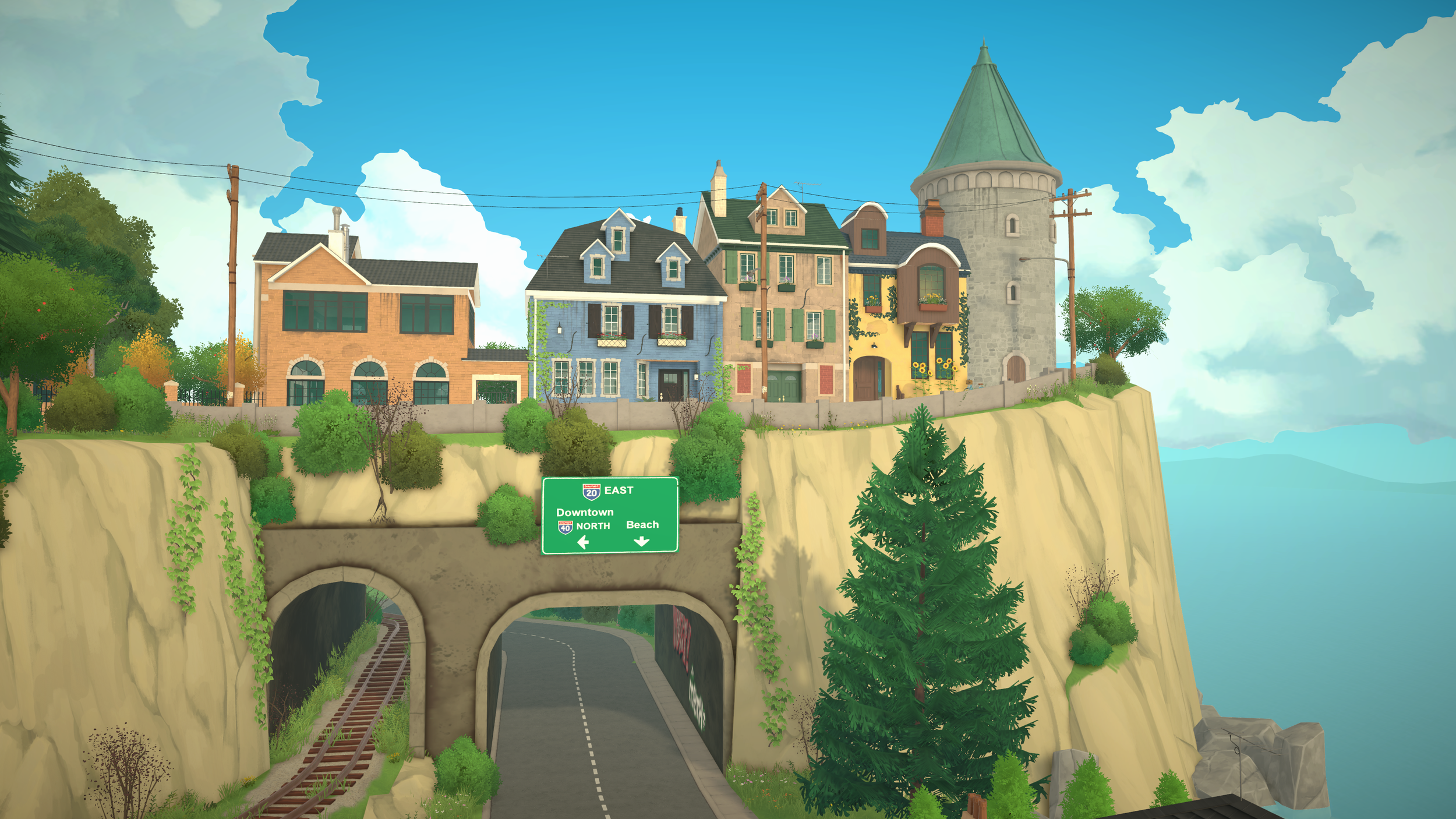
While Paralives presents a charming exterior, the town of Melino harbors a surprisingly dark undercurrent. Eagle-eyed players exploring beyond the cozy neighborhoods will discover unsettling environmental storytelling that adds genuine depth to the game's death mechanics. These hidden details make the Death & Legacy system feel far more grounded — Melino isn't just a sandbox; it's a town with a haunted past.
The Cemetery: More Questions Than Answers
At the edge of town lies Melino's cemetery, and it's far larger than a peaceful community would suggest. Rows upon rows of tombstones stretch across the hillside, many weathered beyond legibility. Some graves date back generations, while others are disturbingly fresh. Players have noted that the cemetery seems to grow between play sessions — new graves occasionally appear for NPCs who were never seen alive in town. This eerie detail suggests that Melino's death rate is far higher than what your own household experiences.
The cemetery also serves a gameplay function: it's where your Parafolks can visit the graves of deceased NPCs, hold funeral events, and encounter ghost NPCs who don't belong to your household. It's one of the most atmospheric locations in the game, especially at night.
Skeletons in the Closet (and Everywhere Else)
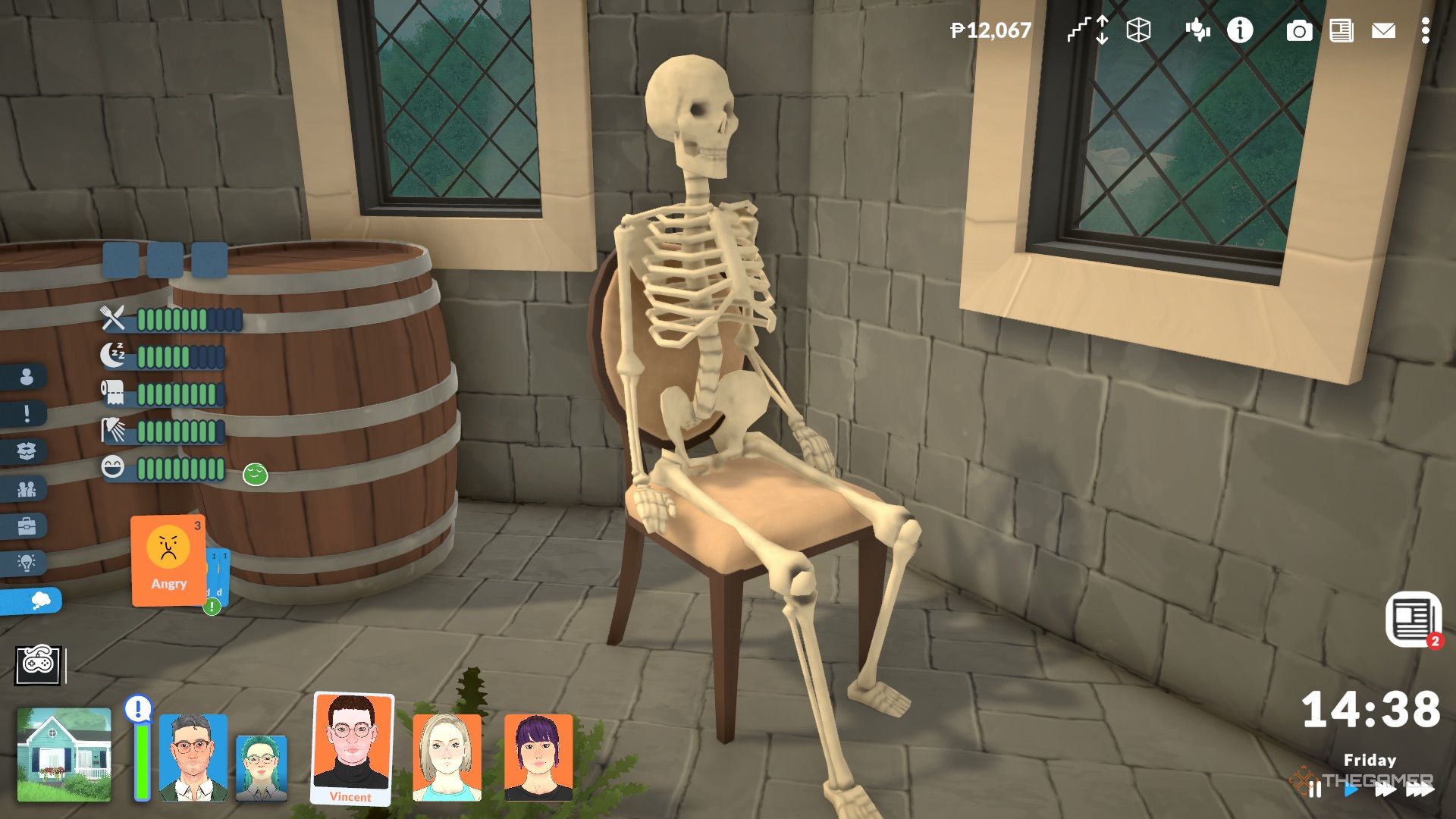
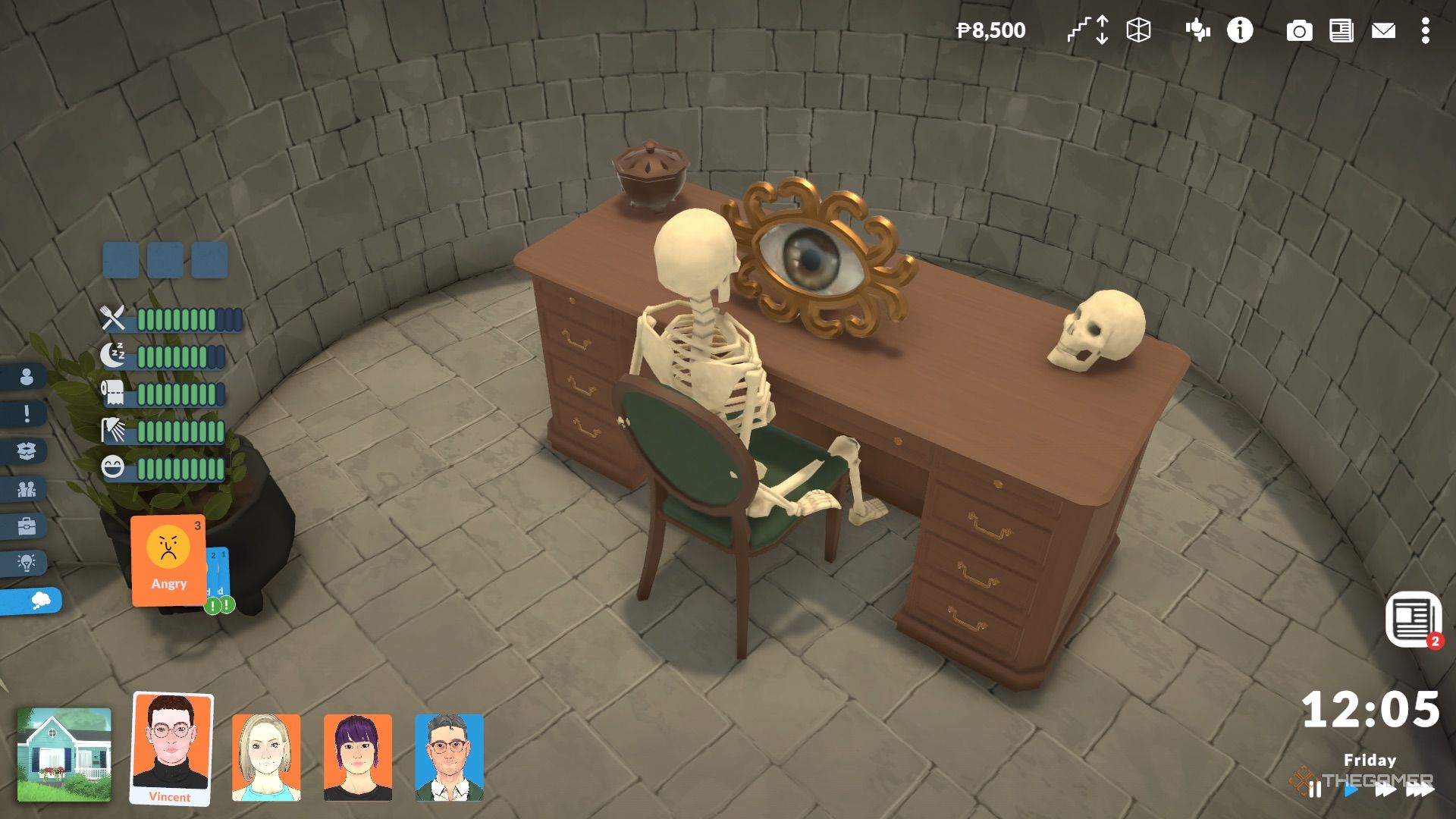
Scattered throughout Melino's older districts, players can find skeletal remains in basements, abandoned buildings, and even beneath floorboards during renovations. These aren't just decorative props — they're environmental storytelling. Each skeleton discovery triggers a small investigation event where your Parafolk can examine the remains, gaining a "Morbid Curiosity" moodlet that boosts Logic skill gains temporarily but also adds a slight sadness modifier.
The skeletons raise unsettling questions: Who were these people? Why were they hidden? The game never provides explicit answers, but the implication is clear — Melino has a history of people disappearing without explanation. This lore ties directly into the inheritance system: when Parafolks vanish rather than die normally, their estates enter a legal gray area, and their assets may be seized by the town rather than passed to heirs.
"C'est La Fin!" — The Industrial District's Warning
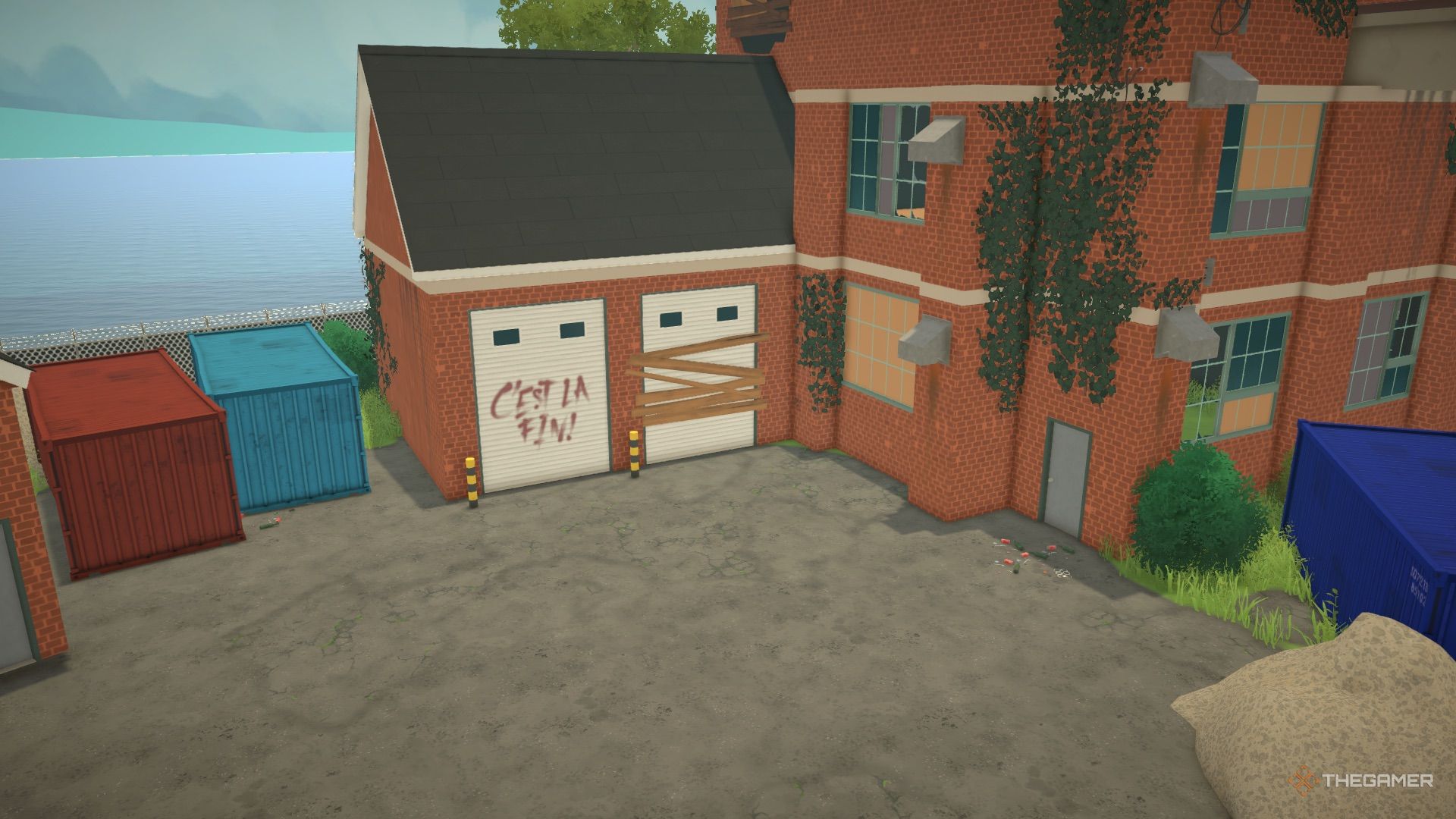
In Melino's Industrial district, sharp-eyed players will spot graffiti scrawled across warehouse walls: "c'est la fin!" — French for "this is the end!" This isn't random vandalism. The phrase appears in multiple locations throughout the district, always near locations where NPCs have been reported missing. Some players theorize it's the work of a secret in-game faction that knows more about Melino's disappearances than they let on.
From a gameplay perspective, the Industrial district is where your Parafolk is most likely to encounter dangerous situations. Workplace accidents are more common here, and Parafolks with the Adventurous trait may autonomously explore abandoned factories — sometimes returning with injuries or new fears. The graffiti serves as both lore and an implicit warning to the player.
Emma Wake: Melino's Most Tragic Resident
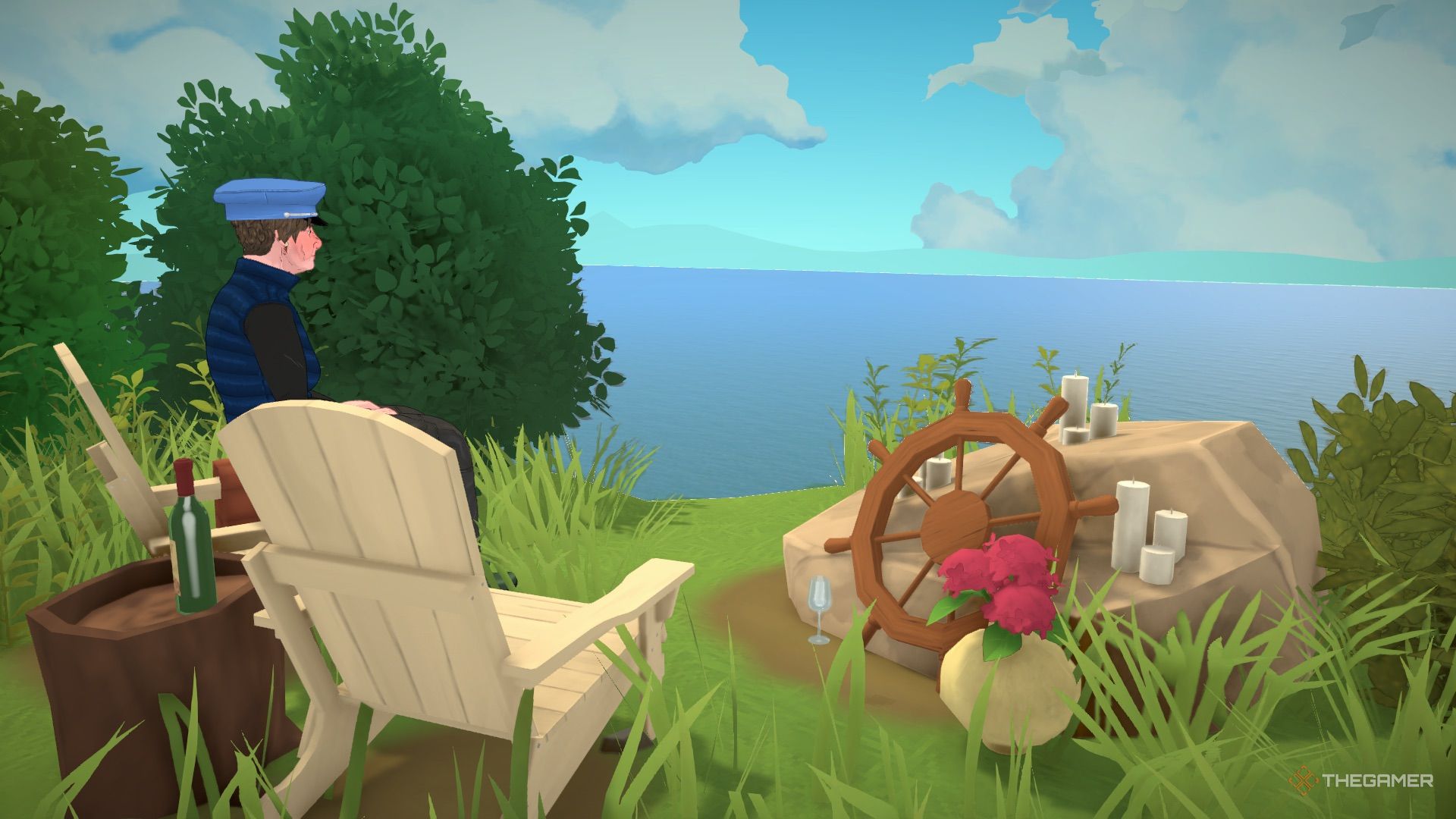
One of the most memorable NPCs in Melino is Emma Wake, a widow who can frequently be found mourning at the cemetery. Her husband's death is one of the few explicitly referenced backstories in the game — he died in a workplace accident at one of the Industrial district's factories. Emma's mourning is persistent and deeply affecting; she carries a permanent "Heartbroken" trait that makes her resistant to new romantic relationships and prone to sadness moodlets.
Emma serves as a living example of how the death system affects NPCs. Players who befriend her can help her recover through the "Comfort" interaction, and over a long enough timeline, her Heartbroken trait can fade — but it takes significantly longer than normal mourning. She's a powerful narrative anchor for the game's themes of loss and recovery.
The Old Well and the Missing Child: Kiran's Story
Perhaps the most disturbing piece of environmental storytelling in Melino is the teddy bear sitting beside the old well on the outskirts of town. This is connected to the story of Kiran, a child NPC who is referenced in town gossip and newspaper clippings but never actually appears in the game. Kiran's disappearance is never resolved — there's no quest, no explanation, no closure. The teddy bear simply sits there as a permanent, silent marker of a loss the town refuses to acknowledge.
This detail is particularly relevant to the Death & Legacy system because it highlights the game's most unsettling implication: not every death in Melino is clean or explained. While your controlled Parafolks die from clear causes, the NPC population experiences something darker. Kiran's story is the game's way of reminding players that the inheritance and legacy systems exist for a reason — in Melino, you should never take your family's safety for granted.
Why Melino's Dark Lore Matters for Your Legacy
The environmental storytelling in Melino isn't just atmosphere — it's a gameplay warning. The cemetery, the skeletons, the graffiti, the grieving widow, and the missing child all reinforce the same message: death in Paralives is not just a mechanical endpoint. It has ripple effects that shape the community. Players who ignore these signs and fail to plan their legacies may find their own Parafolks' stories ending in the same unresolved way. Set your wills, name your heirs, and never assume tomorrow is guaranteed — even in Melino.
Life Expectancy & Elder Stage
Understanding the life cycle of a Parafolk is crucial for legacy planning. Each life stage has a defined duration, and the Elder stage is where the countdown to natural death begins.
Life Stage Durations
| Life Stage | Approximate Duration | Death Risk |
|---|---|---|
| Baby | ~3 in-game days | None (protected) |
| Toddler | ~5 in-game days | None (protected) |
| Child | ~8 in-game days | None (protected) |
| Preteen | ~8 in-game days | None (protected) |
| Teenager | ~14 in-game days | Very low (accidents only) |
| Young Adult | ~24 in-game days | Low (accidents only) |
| Adult | ~24 in-game days | Low (accidents only) |
| Elder | ~10–20 in-game days | High (natural death possible) |
Signs of Aging
As Parafolks transition into the Elder stage, several visual and behavioral changes signal that they are approaching the end of their life:
- Physical changes: Hair turns gray or white, posture may become slightly stooped, and movement speed decreases noticeably.
- Energy decline: Elders tire more quickly and need more sleep. Their energy bar depletes faster and recovers more slowly.
- Skill retention: Fortunately, Elders retain all their learned skills and career progress — they don't lose abilities, they just have less energy to use them.
- Social needs: Elders often develop a stronger desire for family interaction and may seek out conversations with children and grandchildren more frequently.
Important: The exact lifespan of an Elder Parafolk varies. Some may live only 10 days into the Elder stage, while others can persist for 20 or more. This randomness adds realism — you can never predict exactly when a Parafolk's time will come, so plan ahead!
`n`nWhat Happens When a Para Dies
When a Parafolk dies, the game handles the event with a sequence of emotional and mechanical changes that affect the entire household. Here's what you can expect:
The Death Event
When a Parafolk's time comes — whether from old age or an accident — the game triggers a death event. The dying Parafolk is surrounded by a soft, glowing light and peacefully fades away. Other household members who are present will react with visible distress, and the game pauses briefly to let the moment sink in.
Funeral Event
After a Parafolk dies, the household can organize a funeral event. This is an optional but meaningful social gathering where friends and family come together to mourn and celebrate the deceased Parafolk's life. The funeral event works similarly to other social events in the game:
- Location: You can hold the funeral at home, at a community lot, or at a designated cemetery/graveyard if one exists in your town.
- Guests: Invite family members, friends, and coworkers of the deceased. The guest list is auto-populated based on the deceased's relationships.
- Activities: Guests will mourn, share memories, and comfort each other. Some Parafolks may cry, while others with stronger emotional resilience may try to cheer up the group.
- Duration: Funerals typically last a few in-game hours. You can end the event early or let it run its natural course.
Tip: Holding a funeral significantly helps surviving Parafolks process their grief. Parafolks who attend a funeral recover from mourning moodlets faster than those who skip it. It's also a great narrative moment for storytelling players.
Household Changes
After death, several mechanical changes take effect immediately:
- Removal from household: The deceased Parafolk is removed from the active household roster. You can no longer control or interact with them (unless they appear as a ghost — see the Ghost Mechanics section).
- Urn or Tombstone: A memorial object is generated — an urn if the Parafolk died indoors, or a tombstone if they died outdoors. This object can be placed anywhere on the lot.
- Relationship panel update: The deceased Parafolk's portrait in the relationship panel becomes grayed out and is moved to a "Deceased" section.
- Auto-save: The game auto-saves at the moment of death, so you can't simply reload to undo it (unless you have a manual save from before the event).
Inheritance System
One of the most important mechanical systems tied to death is inheritance. When a Parafolk dies, their assets — money, property, and personal possessions — are transferred to surviving family members according to the game's inheritance rules.
How Inheritance Works
The inheritance system in Paralives follows a clear priority order:
- Spouse/Partner — The deceased's spouse or romantic partner receives the largest share of the inheritance. If the couple lived together, the surviving partner typically inherits the house and the majority of the household funds.
- Children — Remaining assets are divided equally among the deceased's children. This includes both biological and adopted children.
- Parents — If the deceased has no spouse or children, assets pass to their parents.
- Siblings — If no parents are alive, siblings inherit next.
- The State — If no living relatives exist, the estate is absorbed by the town, and the funds are lost to the player's household.
Warning: If a Parafolk dies with no living relatives in the game world, their entire estate — including the house and all funds — is lost. This is why legacy planning is so important. Always ensure at least one heir is established before an Elder Parafolk's time runs out.
What Gets Inherited
| Asset Type | Inheritance Behavior |
|---|---|
| Household Funds (Money) | Distributed according to priority order. Spouse keeps funds if living in the same household. |
| Property (House/Lot) | Stays with the household if a surviving member lives there. Otherwise transferred to the heir. |
| Personal Possessions | Items in the deceased's personal inventory are distributed to the closest heir or remain in the household inventory. |
| Career Benefits | Pensions or retirement benefits stop. The heir does not inherit career positions. |
| Skill Progress | Not inheritable. Each Parafolk must develop their own skills from scratch. |
| Relationships | The heir inherits a slight relationship boost with the deceased's close friends (acquaintance level). |
Property Transfer Scenarios
The most complex inheritance scenario involves the family home. Here's how it works in different situations:
- Spouse remains in the home: Nothing changes. The surviving spouse continues living in the house with full access to all funds and possessions.
- Spouse predeceased, children in household: The eldest child (or the child you select) becomes the new household owner. Funds remain in the household account.
- No one lives in the home: The property and its contents transfer to the designated heir. If the heir lives in a different household, you'll need to move them into the inherited home or sell the property.
Tip: To avoid complications, keep your primary heir living in the same household as the founding Parafolk. This ensures a seamless transition of property and funds when the elder passes away. Moving heirs out early can create messy inheritance situations.
`n`nLegacy Planning
Smart players don't wait for death to happen — they plan for it. Legacy planning in Paralives involves setting up your heirs, transferring wealth, and ensuring your family dynasty continues smoothly across generations.
Wills & Designated Heirs
Paralives allows you to designate a primary heir for each Parafolk through the will system. Access this through the Parafolk's personal menu:
- Setting a will: Open the Parafolk's profile, navigate to the "Legacy" tab, and designate your primary heir. You can also specify secondary heirs in case the primary heir predeceases the Parafolk.
- Updating the will: Wills can be changed at any time during the Parafolk's life. This is useful if family dynamics change — a falling out with the original heir, a new child, etc.
- No will? If a Parafolk dies without setting a will, the default inheritance priority (spouse → children → parents → siblings) applies automatically.
Pre-Death Wealth Transfer
One of the most effective legacy strategies is to transfer wealth before death rather than relying solely on the inheritance system. Here are the methods available:
- Move funds between household members: Use the household fund management tool to allocate money to specific Parafolks. This is especially useful if you plan to move an heir out to start their own household.
- Gift possessions: Personal items can be gifted to other Parafolks while alive. This ensures prized possessions go to the right person.
- Build the heir's home early: If you want your heir to have their own place, build and furnish it while the founding Parafolk is still alive and earning income. This is far more efficient than trying to set up a new household after the founder's death.
- Career mentoring: While you can't inherit skills, you can use the elder Parafolk's remaining time to mentor younger family members, helping them level up skills faster before the elder passes.
Legacy Planning Checklist
✅ Designate a primary heir in the will · ✅ Keep the heir in the same household · ✅ Transfer key possessions before death · ✅ Build the heir's career while the founder is still earning · ✅ Mentor younger Parafolks in critical skills · ✅ Ensure the household has enough savings to survive the transition · ✅ Hold a funeral to help survivors process grief faster
`n`nGhost Mechanics
Death doesn't necessarily mean a Parafolk is gone forever — at least not entirely. Paralives features a ghost system that allows deceased Parafolks to maintain a presence in the game world.
How Ghosts Appear
After a Parafolk dies, they may occasionally appear as a ghost on the lot where their urn or tombstone is placed. Ghost appearances are not constant — they happen periodically and are influenced by several factors:
- Urn/Tombstone placement: Ghosts are tied to their memorial object. If the urn or tombstone is on the lot, the ghost may appear. If it's moved to a different lot or deleted, the ghost will no longer visit.
- Emotional connection: Ghosts are more likely to appear when surviving family members are feeling sad or grieving. They seem to "sense" when their loved ones need comfort.
- Time of day: Ghosts tend to appear more frequently at night, adding to the atmospheric quality of their visits.
- Relationship strength: A Parafolk who had very strong relationships with the living is more likely to return as a ghost than one who was isolated.
Ghost Interactions
Living Parafolks can interact with ghosts in several ways:
- Converse: Have a conversation with the ghost. This can provide emotional comfort to grieving Parafolks and helps resolve mourning moodlets faster.
- Ask to leave: If a ghost's presence is unwelcome (or if you just want them to go), you can ask them to leave. They'll fade away and return another time.
- Commune: A deeper interaction where the living Parafolk shares memories with the ghost. This provides a significant emotional boost and can even pass on small skill bonuses in areas the deceased Parafolk excelled at.
- Haunting: Occasionally, ghosts may engage in playful haunting behavior — flickering lights, moving objects, or creating minor spooky effects. This is harmless and adds character to the home.
Urn vs. Tombstone
| Feature | Urn | Tombstone |
|---|---|---|
| Generated when | Parafolk dies indoors | Parafolk dies outdoors |
| Placement | On shelves, tables, mantels | Yard, garden, cemetery |
| Ghost visits | Same as tombstone | Same as urn |
| Can be moved? | Yes, pick up and relocate | Yes, pick up and relocate |
| Can be deleted? | Yes (ghost will stop visiting) | Yes (ghost will stop visiting) |
Tip: Create a dedicated memorial room or garden area for urns and tombstones. Not only does this look beautiful, but it also concentrates ghost appearances in one area, making it easier for your living Parafolks to visit and commune with their departed loved ones.
`n`nContinuing Your Dynasty
The true endgame of Paralives for many players is building a multi-generational dynasty — a family that persists across many in-game years, growing in wealth, skills, and stories. Here's how to keep your legacy alive.
Playing as the Next Generation
When the founding Parafolk dies, gameplay continues seamlessly with the surviving household members. To effectively transition to the next generation:
- Switch active Parafolk: If you were primarily controlling the deceased, switch your active control to the heir. The game allows you to control any Parafolk in the household.
- Continue careers: The heir should already be established in a career. If not, prioritize getting them employed quickly to maintain household income.
- Expand the family: Have the next generation start their own families — new children, new relationships, new stories. This is the core of the dynasty loop.
- Preserve the family home: The house itself becomes a legacy object. Each generation can add to it, renovate it, or expand it. A home that's been in the family for five generations carries immense narrative weight.
Family Tree
Paralives features a family tree system that tracks lineage across generations. You can access it from the relationship panel or the Parafolk's profile:
- Visual tree: A branching diagram showing parents, children, siblings, spouses, and extended family connections.
- Deceased members: Dead Parafolks appear in the tree with a grayed-out portrait and their death cause/date recorded.
- Genetic tracking: The family tree also shows which genetic traits have been passed down through generations — useful for players who want to track dominant/recessive gene patterns.
- Legacy milestones: Special achievements are recorded in the family tree, such as "First Parafolk to reach max career level" or "Longest-living family member."
Dynasty Building Strategy
The most successful dynasties follow a pattern: Found (create your starting Parafolk) → Establish (build career, home, and wealth) → Expand (have children, grow the household) → Transition (founder ages, heir takes over) → Repeat. Each cycle takes roughly 60–80 in-game days, giving you a satisfying long-term gameplay loop.
`n`nEmotional Impact on Remaining Parafolks
Death doesn't just affect the Parafolk who dies — it has a profound emotional impact on everyone left behind. Paralives models grief and mourning in a way that's both realistic and gameplay-relevant.
Mourning Moodlets
When a Parafolk dies, all Parafolks who had a relationship with the deceased receive a mourning moodlet. The strength and duration of this moodlet depends on the closeness of the relationship:
| Relationship | Moodlet Strength | Duration |
|---|---|---|
| Spouse/Partner | Very Strong (–40 mood) | 7–10 in-game days |
| Parent/Child | Strong (–30 mood) | 5–8 in-game days |
| Sibling | Moderate (–20 mood) | 4–6 in-game days |
| Close Friend | Mild (–15 mood) | 3–5 in-game days |
| Acquaintance | Slight (–5 mood) | 1–2 in-game days |
How Grief Affects Gameplay
The mourning moodlet isn't just a visual indicator — it has real gameplay effects:
- Reduced skill gain: Grieving Parafolks learn skills more slowly while the mourning moodlet is active.
- Work performance: Career performance may decline if the grieving Parafolk goes to work in a sad emotional state.
- Social withdrawal: Grieving Parafolks may autonomously reject social interactions or seek solitude.
- Sleep disruption: Sad Parafolks may have trouble sleeping, further compounding their energy issues.
Recovery & Coping
Parafolks don't stay sad forever. There are several ways to help them recover from grief:
- Time: The mourning moodlet naturally decays over time. Simply waiting is the most passive method.
- Funeral attendance: Parafolks who attend the funeral recover significantly faster.
- Ghost communion: Interacting with the deceased's ghost provides comfort and speeds up recovery.
- Social support: Other Parafolks can "Comfort" a grieving household member, providing a temporary mood boost.
- Pleasant activities: Engaging in hobbies, watching TV, or going for a walk can temporarily lift a grieving Parafolk's mood.
- Visiting the memorial: Interacting with the urn or tombstone (e.g., "Mourn" or "Reminisce") provides a small but meaningful emotional resolution.
Tip: Don't try to rush the grieving process. Let your Parafolks mourn naturally — it makes the eventual recovery feel more earned and realistic. Rushing through grief by spamming cheerful activities can feel hollow narratively.
`n`nTips for Managing Multi-Generational Households
Running a household with three or more generations under one roof is one of the most rewarding — and challenging — experiences in Paralives. Here are practical tips to keep everything running smoothly:
- Designate roles early. Each generation should have clear responsibilities. The elders mentor and manage the home, the adults earn income, and the young ones focus on skills and education. This prevents everyone from stepping on each other's toes.
- Build age-appropriate spaces. Include a nursery for babies and toddlers, a study area for children and teens, and a quiet relaxation space for elders. A well-designed home supports every generation's needs.
- Keep the household size manageable. While it's tempting to have a huge family, too many Parafolks in one household can become overwhelming. Aim for 4–6 members per household for the best balance of chaos and control.
- Start mentoring before the elder stage. Don't wait until a Parafolk becomes an elder to start passing on knowledge. Begin mentoring children and teens in key skills while the adult is still in their prime — they'll have more energy and time to devote to teaching.
- Save early, save often. Before major life events (aging up, career changes, moving out), create a manual save. This gives you a safety net if something goes wrong with the inheritance or household transition.
- Plan your succession. Decide early which child will be the primary heir and keep them in the household. Move-out secondary children can still be part of the story, but the heir should remain to ensure a smooth transition.
- Use the family budget wisely. Multi-generational households have higher expenses. Ensure the working-age adults are earning enough to support the entire family, including elders who may have higher medical or comfort needs.
- Create family traditions. Establish recurring events — weekly family dinners, holiday celebrations, or annual gatherings — that give your dynasty a sense of identity and continuity across generations.
- Document your legacy. Use the in-game screenshot tool or family tree to document your dynasty's history. Many players enjoy looking back at how their family has evolved over dozens of in-game years.
- Embrace the chaos. Not everything will go according to plan. Unexpected deaths, relationship drama, and career setbacks are all part of the Paralives experience. The best dynasties are the ones that adapt and overcome adversity.
Multi-Gen Home Design Tip
Build your legacy home with expansion in mind. Start with a modest house and add wings, floors, and rooms as the family grows. This approach is more realistic and financially sustainable than building a massive mansion from day one. Each generation's additions become part of the home's story.
Frequently Asked Questions
Screenshots