Table of Contents
The Dark Side of Melino
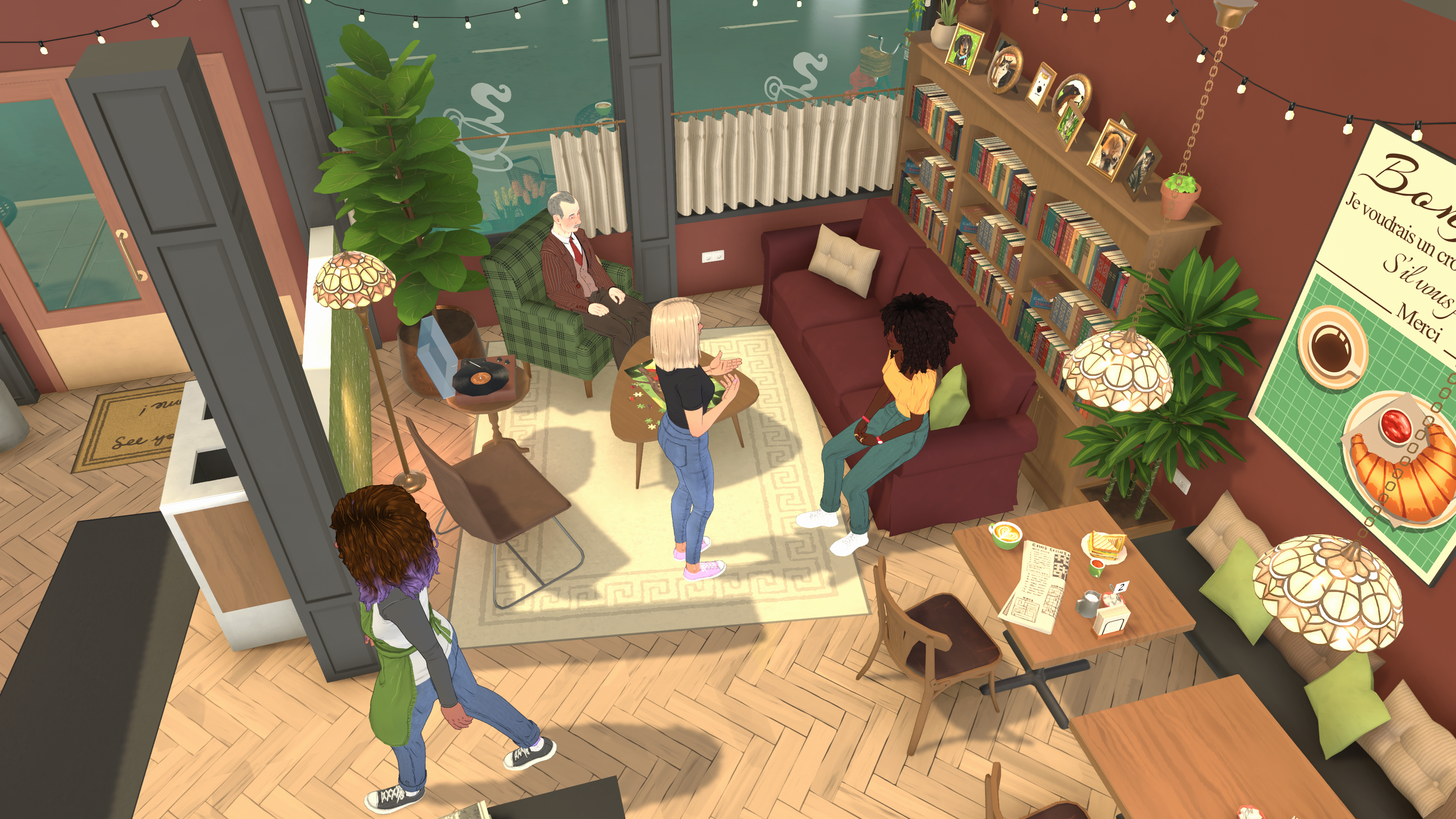
At first glance, Melino seems like the perfect cozy town — cobblestone streets, friendly neighbors, a charming castle plaza. But scratch beneath the surface and you'll find something deeply unsettling. Players have been discovering skeletons, creepy graffiti, hidden passages, and evidence of something far more sinister lurking in the shadows of this picturesque community.
The developers have confirmed that these dark elements are intentional lore, not bugs or placeholder assets. Every skeleton, every cryptic symbol, every locked door has a purpose in Melino's hidden narrative. This guide catalogs every known secret and mystery — everything the town doesn't want you to see.
Developer Confirmation
The Paralives team has stated that Melino's darker elements are fully intentional world-building. They've woven a hidden narrative throughout the town that observant players can piece together over time. Nothing you find is an accident.
Skeletons & Remains
The most shocking discoveries in Melino involve human-like remains found in various locations. These aren't decorative props — they're clues to a much larger mystery.
Beach Skeletons
Human-like skeletons can be found washed up on the beach near the lighthouse. They appear sporadically — some players report seeing them after certain in-game events, while others find them on their first visit. The skeletons are partially buried in sand and appear to have been in the water for some time. No NPC acknowledges their existence when asked.
Town Hall Secret Passage
Behind a wall on the ground floor of the Town Hall, there's a hidden room accessible through a barely visible seam in the wall paneling. Inside, players have found what appear to be covered body-shaped forms on tables, old documents, and a locked cabinet. The room has no official name on the Town Hall map, and no NPC will discuss it. The passage can be tricky to find — try interacting with the wall near the hall of fame display.
Basement Discoveries
Several pre-built houses in the Industrial district have basements with disturbing contents: old medical equipment, stained tables, and in one house, a collection of personal belongings that don't belong to any known NPC. The house at 14 Factory Row has the most items — including a journal with pages torn out and a locked trunk that cannot be interacted with.
Cemetery Oddities
The cemetery in Old Town has significantly more graves than the town's recorded death count would suggest. Some headstones are so weathered that the names are unreadable, while others are suspiciously new with no corresponding NPC death. Several graves are marked only with symbols — the same symbols found in the cult graffiti throughout town (see Section 3).
Pro Tip: Visit the beach at night during foggy weather for the best chance of spotting the skeletons. They're harder to see during clear daytime. Use photo mode to zoom in and document their exact positions.
Creepy Graffiti & Symbols
Throughout Melino, players have found strange markings that form a pattern — literally. The graffiti isn't random vandalism; it's a coded message system left by someone (or something) with inside knowledge of the town's secrets.
Floor Graffiti
Strange symbols drawn on floors throughout town, particularly in the Industrial district and the basement levels of Old Town buildings. These floor markings are often partially hidden under furniture or rugs, suggesting they were drawn before the current occupants moved in. Patch 0.1.3 fixed interaction issues with these symbols — previously, clicking on them caused a pathing error. Now, your Parafolk will react with a disturbed emotion when examining them closely.
Cult Symbols
Occult-looking symbols found in hidden areas — behind the Town Hall, in forest clearings on the Mountain, and in the basement of the abandoned Countryside house. The symbols share a consistent visual language: a circle with three radiating lines, sometimes accompanied by what appears to be an eye motif. These same symbols appear on the unmarked cemetery headstones.
Warning Messages
Cryptic messages written on walls in certain buildings, most notably in the Industrial district's abandoned factory. Messages include:
- "THEY WATCH FROM BELOW" — found in the Edwards & Co. Factory basement
- "DON'T TRUST THE LIGHT" — scrawled near the lighthouse path
- "7-3-1-9" — a recurring number sequence (see below)
- "IT TAKES EVERYONE" — found in the Community Center storage room
The Number Pattern
The sequence 7-3-1-9 appears in multiple locations: on walls, carved into furniture, and even in the Town Hall's hall of fame display (check the dates on the oldest plaques). The community is still actively decoding its meaning. Current theories include:
Theory: Coordinates
The numbers could map to a location in Melino — perhaps a grid reference on the town map, or lot numbers. Some players have tried matching them to house addresses without conclusive results.
Theory: A Date
July 31, 2009 (or another year) could be a significant date in Melino's lore. The town's founding date and major historical events are still being cataloged by the community.
Theory: A Code
The numbers may correspond to letters (G-C-A-I) or could be part of a larger cipher that requires finding all instances to decode. The hunt continues.
The Disappearance Mystery
Perhaps the most compelling mystery in Melino is the pattern of disappearances. Several NPCs have backstories involving missing persons, and the town itself seems to be hiding the evidence.
Missing Person Posters
Posters appear around town on bulletin boards and taped to lampposts. They feature names and faces of people who don't appear as NPCs in the game. The posters seem to rotate — different ones appear at different times, and some players report new posters appearing after specific events or after reaching certain relationship thresholds with NPCs. The faces on the posters are always slightly blurred, as if the photos were taken from a distance.
NPC Backstories
Several NPCs reference missing people in their dialogue, particularly when your relationship with them reaches a high level:
- The Librarian mentions a predecessor who "just stopped coming to work one day"
- The Antique Shop Owner references items in the store that "belonged to someone who isn't around anymore"
- An Industrial District resident will tell you about a neighbor who "went to the lighthouse and never came back"
The Lighthouse
The lighthouse on the Mountain district coast is always locked. No key exists in the current game, and no NPC will discuss how to enter it. At night, some players have reported seeing a faint light inside despite the building being officially "abandoned." The lighthouse is connected to the disappearance mystery by multiple NPC testimonies and the warning graffiti found nearby.
The Abandoned House
At the edge of the Countryside district, there's a house that cannot be purchased or entered through normal means. Looking through the windows reveals dusty furniture, personal belongings left as if the occupant left in a hurry, and — in one room — the same cult symbols found elsewhere in town. The mailbox has a name, but it doesn't match any known NPC.
Key Evidence: The Connection
Every NPC who references a missing person also lives or works near a location where cult symbols have been found. The disappearances, the symbols, and the locked locations form a connected web. The lighthouse and the abandoned house appear to be the two most significant nodes in this mystery.
The Death Cult Theory
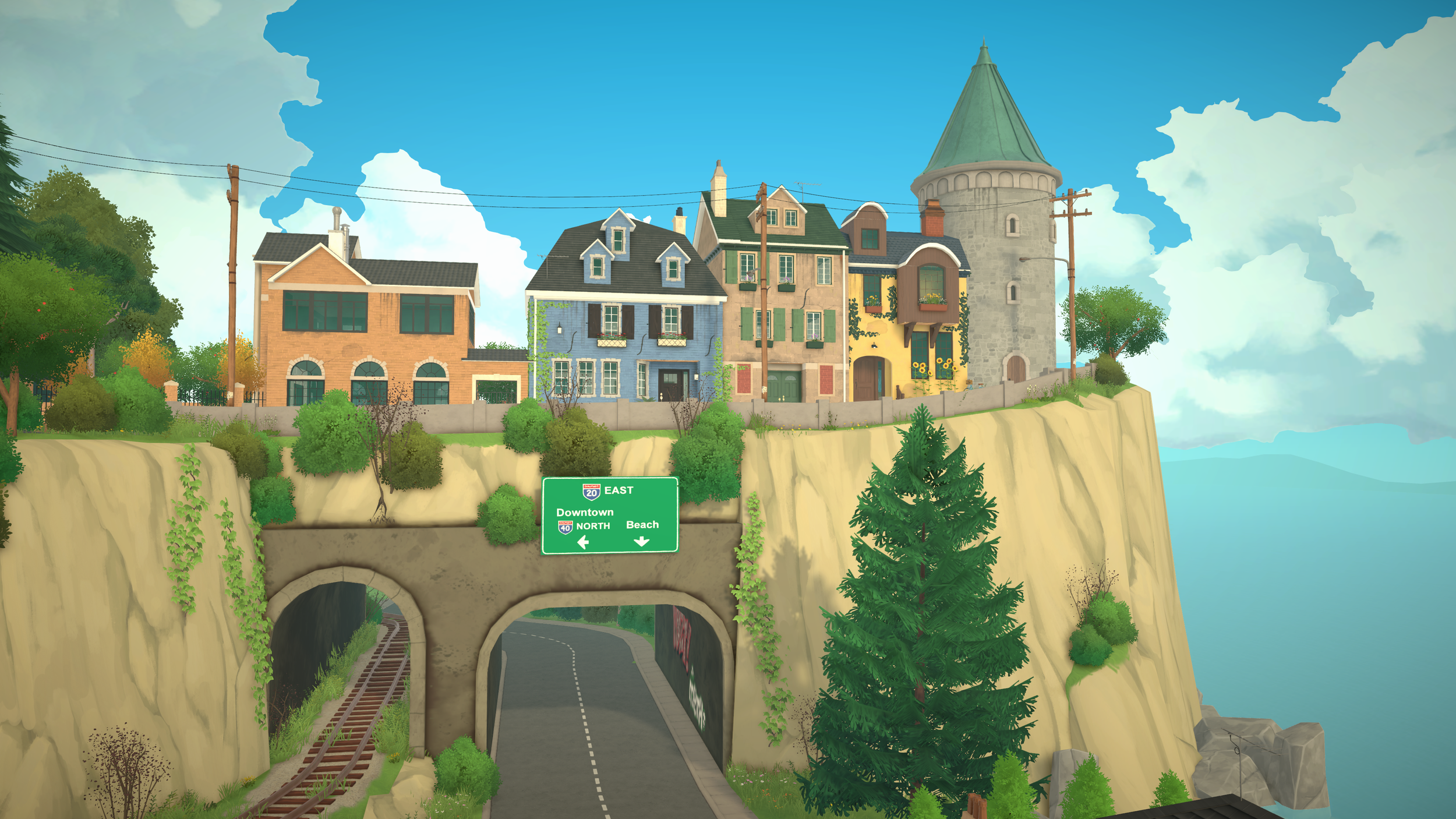
The most popular community theory ties all of Melino's dark elements together: a secret death cult operating within the town. While no developer has explicitly confirmed this, the evidence is compelling.
Hooded Figures
Some players have reported spotting hooded figures at night, particularly near the forest trails on the Mountain and around the Town Hall after dark. These figures don't appear as interactable NPCs — they seem to be environmental storytelling elements that vanish when approached. They're most visible between midnight and 3 AM in-game time, and appear more frequently during foggy or rainy weather.
Ritual Sites
Deep in the Mountain district's forest area, away from the main hiking trails, players have found clearings arranged in circular patterns with stones, burnt candle wax residue, and the same cult symbols seen throughout town. These sites feel deliberately placed — they're not random environmental assets. The largest ritual site is near the cliff edge overlooking the lighthouse, connecting two major mystery locations.
The Town Hall Connection
The Town Hall sits at the center of the cult theory for several reasons:
- The secret passage with its disturbing contents
- The number pattern (7-3-1-9) appearing in the hall of fame
- The hooded figures spotted near the building at night
- The "known issues" board — is it meta-commentary or something more?
- The building's architecture includes hidden rooms not shown on the public floor plan
Community Theories & Speculation
The Town Council Theory
The cult operates through Melino's official government. The Town Hall is their headquarters, and the "missing" people were removed by the council. This would explain why no NPC acknowledges the disappearances — they're either complicit or afraid.
The Lighthouse Keeper Theory
Someone (or something) lives in the lighthouse and is responsible for the disappearances. The beach skeletons washed up near the lighthouse, and NPCs reference people "going to the lighthouse" before vanishing. The locked lighthouse is the key to everything.
The Time Loop Theory
The number pattern, the rotating missing person posters, and the recurring symbols suggest Melino is trapped in some kind of loop. The cult may be trying to maintain or break the cycle. This theory is more speculative but accounts for the game's recurring patterns.
Important Note
As of Early Access, the cult storyline appears to be incomplete. The developers have laid the groundwork with environmental storytelling, but a full narrative resolution likely awaits future updates. Document everything you find — the community is building a collective understanding of the lore.
Easter Eggs & References

Not everything hidden in Melino is dark and ominous. The developers have included plenty of lighter Easter eggs and references for players who love to explore.
The Unpacking House
The collaboration with Unpacking brought a special house to Melino, and it's packed with hidden references. Items from the Unpacking game appear throughout the house, and some are placed in specific arrangements that mirror scenes from Unpacking's story. Look closely at the bookshelf — some book titles are references to both games' development teams.
Developer Names
Developer names and handles are hidden throughout the environment: on book spines in the Library, engraved on park benches, and even on gravestones in the cemetery (the readable ones, not the symbol-marked ones). Finding all of them has become a community mini-game.
Simulation Game References
Melino contains subtle nods to other life simulation games:
- A plumbob-shaped lamp in the antique shop
- A book titled "Living Large" in the Library — a reference to a famous expansion pack
- The bus route number PL130 may contain a hidden reference
- A green diamond pattern appears on a rug in one of the Old Town apartments
The "Known Issues" Board
Inside the Town Hall, there's a bulletin board listing "known issues" — but the issues described aren't game bugs. They're strange occurrences in Melino: "Missing garden gnome — again," "Strange sounds from basement — third report this week," and "Bus stop vandalism — cause unknown." Is this the developers being meta, or is it an in-universe document from a town that's aware something is wrong?
Secret Interactions
Certain objects have special interactions at specific times:
- The telescope on the Mountain Top reveals different constellations at night, some of which match the cult symbols
- The cemetery gate creaks on its own after midnight — no wind required
- The mirror in the abandoned house reflects a slightly different room layout than what you see looking in through the window
- Museum exhibits change subtly between visits — check the historical Melino display for new documents
How to Investigate
Ready to do some detective work? Here are the best strategies for uncovering Melino's hidden lore.
Use Photo Mode to Document Everything
Photo mode isn't just for pretty screenshots — it's your primary investigation tool. Zoom in on symbols, capture the exact positions of skeletons, and photograph every piece of graffiti. Create an in-game photo collection dedicated to your investigation. The zoom function can reveal details too small to see in normal gameplay.
Visit Locations at Different Times
Some secrets only appear at night. The hooded figures, the cemetery sounds, the lighthouse light — these are all nighttime phenomena. Other details change with weather: fog increases the visibility of certain symbols, and rain can reveal hidden messages on walls (the water makes faded writing temporarily readable). Make a schedule of visits to key locations at dawn, noon, dusk, and midnight.
Build Relationships with NPCs
NPCs with high relationship scores will share rumors and personal stories they won't mention to strangers. The most lore-relevant dialogue seems to unlock at relationship level 7 and above. Focus on NPCs who work near mystery locations: the Librarian, the Antique Shop Owner, and the Industrial District residents.
Check the Town Hall Hall of Fame
The hall of fame display contains dates, names, and — crucially — the number pattern 7-3-1-9 embedded in the oldest plaques. Visit after each major in-game milestone, as new plaques can appear. The display seems to update based on your Parafolk's achievements, but some entries are pre-loaded lore elements.
Use the Telescope at Night
The telescope at the Mountain Top park reveals things you cannot see during the day. Certain constellations match the cult symbols, and some players have reported seeing unusual lights near the lighthouse and the forest clearing when using the telescope between midnight and 3 AM. The Astronomy Club may have additional dialogue about these observations.
Investigation Checklist
Beach (night, foggy) · Town Hall secret passage · Industrial district basements · Cemetery (after midnight) · Forest ritual sites · Lighthouse (night) · Abandoned house windows · Factory graffiti · Museum historical exhibit · Mountain Top telescope (midnight–3 AM) · Known Issues board · Unpacking house details